Hiển thị các bài đăng có nhãn Twins. Hiển thị tất cả bài đăng

Caroline Briggs: Double Identity


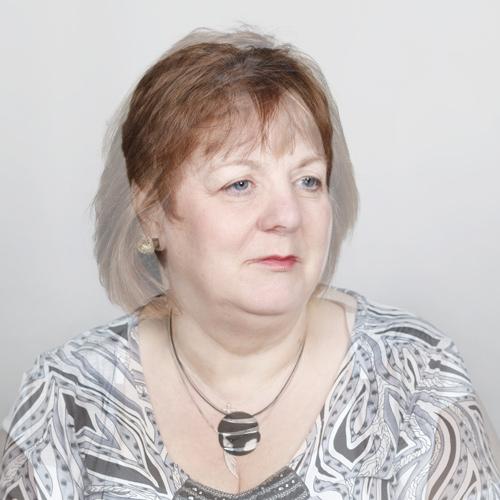
Martin Schoeller's Twin Portraits was an interesting look at the world of identical twins. Through his unique photography style, viewers could see the small physical differences that distinguish monozygotic twins from each other. But what about their similarities? And what about the differences that go beyond the physical? Caroline Briggs seems to have found the answer in her series, Double Identity.


Caroline Briggs is a commercial photographer who's dabbled in portraiture, wedding photography and photojournalism. She recently began a series called Double Identity focusing on identical twins. Unlike Schoeller, she goes beyond the usual portraiture technique by using a double exposure effect, superimposing and almost combining the picture of one twin on top of the other.

Briggs found her inspiration for the series from her own experience as a twin. She says that she hates being compare to her sister, so this series allows her to explore the phenomenon of twinship in a manner that goes beyond the physical and touches on the emotional. The resulting photographs are a set of beautiful double portraits that still show off each twin's individual identity.


Caroline Briggs' website is here. She also has a blog here. The Double Identity project is an ongoing series and Briggs is still looking for participants to sit for her, so if you know of any identical twins in her locality, you can contact her here.

Martin Schoeller: Twin Talk


Nope, you're not seeing double; they're actually twins... in which case you actually are seeing double... or are you really? Twin talk has been a mind-boggling topic for discussion to scientists, so it's not surprising to find that portrait photography would be utilized to aid in this endeavor. Portrait photographer Martin Schoeller turns his lens towards the odd couples here as he takes twin portraits for National Geographic.


Martin Schoeller has already been featured on this blog for his extremely up-close portraits of celebrities. His signature photographic technique of tightly cropped faces lit by two large in-your-face soft-boxes means that every nook and cranny of the subjects' front facade become heightened. His photographs have proven to be popular as they give viewers a different view of the same of faces of celebrities and stars.

In this case, Schoeller's technique is the perfect way to highlight the similarities and dissimilarities of identical twins. Were it not for this descriptive text, viewers might think that these pictures feature the same person photographed twice. On closer inspection however, readers might see small deviations: a scar here, more freckles there, a slightly upturned nose on one, a more prominent chin on the other. Slowly, viewers realize that they're looking at identical twins.


Monozygotic or identical twins comprise only three percent of the US population, so it's quite an event when a gathering of twins takes place. In the annual Twins Days Festival held in Twinsburg, Ohio, doppelgangers of all ages and sizes gather to celebrate their uniqueness. The large gathering of doubles has attracted the interest of different scientific and government agencies, from the Monell Chemical Senses Center studying the effect of alcohol on the siblings to the FBI collecting data for their face-recognition software.

The research that has gone into twin studies has changed society's way of looking at the nature vs. nurture debate. In many cases of identical twins being raised apart, many show the same levels of intelligence and social preferences as they grow up, making a good argument for hereditary genetics.


These faces you see here, however, belong to brothers and sisters who've spent most of their lives together. Thus it shouldn't be to surprising that most of them have the same expression and look, down to the kind of haircut they have.

While monozygotic twins still provide dozens of unanswered questions to science, it's nice to see that they can be rather beautiful subjects for portrait photography enthusiasts.